
The word “valplekar” appears with increasing frequency on various websites, blogs, and in discussions, leading to confusion among many readers regarding its meaning. Unlike common terms with a single definition, “it” stands out for being associated with different ideas depending on the context. Some sources relate it to dog behavior and training, while others consider it a cultural or conceptual term. This multifaceted meaning makes it an interesting topic for an informative article, especially for readers who want to understand how a keyword can evolve in different directions. The goal of this guide is to explain “it” simply and clearly so you can use it with confidence in your own content.
Understanding the Basic Meaning of “valplekar”
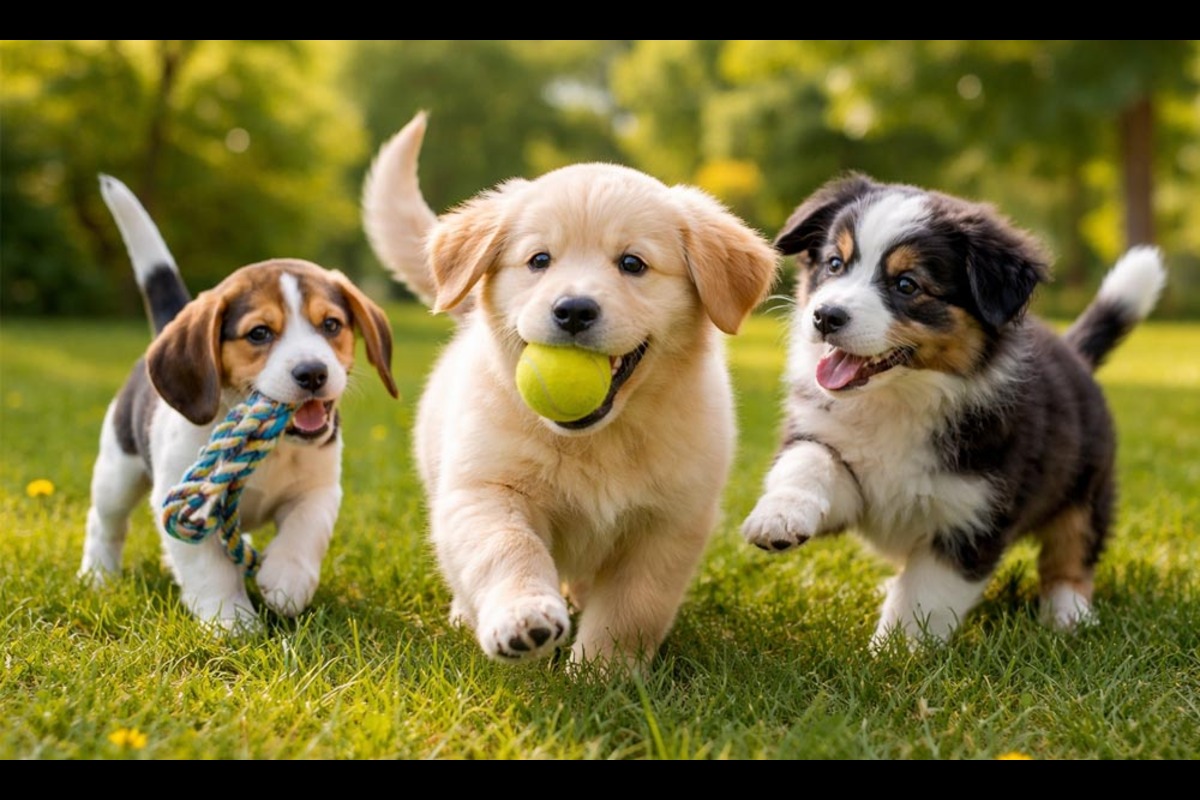
The most straightforward explanation of “valplekar” comes from Swedish. The word is composed of two parts: “valp,” meaning puppy, and “lekar,” meaning play. Together, “it” simply means puppy play and refers to the activities that young dogs engage in for their development and enjoyment. This meaning is widely accepted and provides a good starting point for understanding the key term. This also explains why valplekar is frequently used in relation to animal care and training.
In this context, it is not just play-based learning, but an essential component of puppy development. Puppies learn to interact, respond, and gain confidence through these playful activities. The approach is based on natural learning through movement, social interaction, and curiosity. Therefore, the term is particularly relevant to discussions about animal behavior and early puppy training. As a result, it has gained popularity in pet blogs and guides.
Valplekar in Dog Training and Behavior Development
When applied to dog training, valplekar becomes more than just a translation; it evolves into a practical approach. Dog trainers and owners use play-based techniques to positively guide puppy behavior. Instead of strict discipline, the focus is on interaction and engagement. This method strengthens the bond between the dog and its owner while promoting natural learning.
Valplekar-based training often includes structured activities that stimulate both mind and body. These activities are designed to instill discipline while keeping the puppy relaxed and happy. Some common examples include:
Games of fetch, which improve coordination and concentration; tug-of-war, which teaches self-control and setting boundaries; social play with other dogs to build confidence; and hide-and-seek, which promotes problem-solving skills. Using the Valplekar method in training also helps reduce unwanted behaviors. Puppies that play regularly are less likely to develop anxiety or aggression. This approach promotes balanced development and makes it easier for dogs to adapt to different environments. Over time, the Valplekar method has become a favorite among modern dog training strategies.
Cultural Roots and the Surname Valplekar
Besides its association with animals, it also appears as a surname in certain regions, particularly in parts of India. In this context, the word has a completely different meaning, linked to identity and origin. The ending “-kar” is often associated with surnames of toponymic origin and indicates a person’s origin or family background. This makes that a name that reflects ancestry rather than behavior or activity.
Those who encounter the surname “it” may not immediately associate it with its Swedish meaning. Rather, it is a surname that has likely evolved over generations. This dual meaning adds complexity to the term and makes it unique in its cross-cultural function. It also opens up possibilities for content that illuminates linguistic overlaps and naming traditions.
The cultural aspect of “it ” illustrates how words can spread and acquire new meanings. In one region, for example, it describes a playful interaction, while in another, it signifies lineage. This contrast makes the name more than just a simple term and a subject that deserves detailed exploration.
The Rise of “Valplekar” as a Modern Digital Concept
In recent years, “valplekar” has appeared in digital content beyond its original meaning. Some authors and creatives use it as a flexible concept to express creativity, adaptability, or playful thinking. This usage isn’t based on traditional definitions but has evolved through online interpretations. As a result, “valplekar” is gradually becoming a keyword with abstract value in content creation.
This modern usage is frequently found in blogs focused on creativity, branding, or innovation. Authors use “valplekar” to describe a mindset that encourages exploration and experimentation. It reflects a mindset that values curiosity and hands-on learning. While this interpretation isn’t universally accepted, it’s gaining increasing popularity in specialized communities.
you might also like: Masgonzola: The definitive guide to Italy’s fusion of creamy and robust cheeses
There are several reasons why “valplekar” is used so frequently:
- It’s a unique keyword with little competition.
- It allows for flexible interpretation without fixed limits.
- It can be adapted to various content topics.
It stands out in search results due to its rarity. This development demonstrates how digital platforms can change the meaning of a word over time. “Valplekar” is a good example of how language evolves through usage, rather than through rigid definitions.
Why is “valplekar” gaining importance in SEO and blogging?
From an SEO perspective, “valplekar” is an interesting keyword because it doesn’t have a fixed meaning. This makes it easier for content creators to build authority. Unlike highly competitive keywords, “valplekar” offers room for experimentation and creative positioning. Bloggers can choose a specific approach and create content that ranks well without much competition.
Another reason for its growing popularity is curiosity. When users encounter the word “valplekar,” they often look up its meaning due to confusion. This presents an opportunity for informative articles that clarify the situation. Content that answers this question in a structured way has a high chance of attracting repeat visitors.
Authors can approach the term “valplekar” from different perspectives, depending on their niche. A pet blog might focus on training methods, while a cultural website explores the origins of the surname. Similarly, a digital marketing blog could use “valplekar” as a metaphor for creative thinking. This flexibility makes the keyword valuable in modern content strategies.
How to Use “valplekar” Effectively in Content Writing:
To get the most out of “valplekar,” it’s important to stay true to your chosen approach. Too many meanings in a single article can confuse readers and weaken the main message. Instead, focus on one clear direction and develop your content around it. This will help you connect better with your target audience.
When using “valplekar” in your writing, keep the following in mind:
Ensure a natural flow and avoid artificially emphasizing the keyword. Use it in titles and subheadings when relevant. Provide clear explanations to avoid misunderstandings. Support the meaning with examples and context. A well-structured article that uses “valplekar” naturally performs better in search results. Readers are more likely to stay engaged when the content is clear and concise. This approach also improves readability, a key factor for search engine optimization (SEO).
Challenges to Clearly Defining “Valplekar”
One of the biggest challenges with “valplekar” is the lack of a universally accepted definition. This can make it difficult for authors to find the right way to present the topic. Readers may have different expectations depending on where they first encountered the term. Some expect information about puppies, while others are looking for cultural information.
This ambiguity can be both a strength and a weakness. On the one hand, it allows for flexibility in content creation. On the other hand, it requires careful explanations to avoid misunderstandings. Authors must balance clarity and depth so that readers fully understand the topic.
Despite these challenges, “valplekar” remains a valuable keyword. Its uniqueness gives it an advantage in search engine optimization, especially when used correctly. It’s important to treat it as a concept rather than a fixed definition, and to guide the reader through its various possible interpretations.
The Future Potential of “valplekar” as a Keyword
Looking ahead, “valplekar” has the potential to become a recognized term across various niches. As more content is created, its meaning could become more precise. It could also remain a flexible keyword, shaped by different industries. In any case, the current phase offers an advantage for those using “valplekar” from the start.
Content creators who begin using “valplekar” now can establish authority before the keyword becomes competitive. This is particularly useful for bloggers who want to generate specialized traffic. High-quality content and clear explanations can make “valplekar” a valuable content tool.
The future of “valplekar” depends on how it is used and interpreted over time. If more authors consistently use it in specific contexts, it could evolve toward clearer definitions. Until then, it remains an open and constantly evolving keyword with great creative potential.
conclusion
“valplekar” is not a typical keyword with a single, fixed meaning. Originating from Swedish and referring to puppy play, the term appears as a surname in various cultural contexts and is evolving into a broader concept in digital content. This diversity of meanings makes it both challenging and a valuable tool for authors and bloggers. With a clear perspective and a natural use of the term, one can create solid and engaging content on the topic. As the keyword continues to evolve, it offers unique opportunities for those who wish to harness its full potential.